Kobla: The Elegant Script Handwritten Font for Modern Web Design
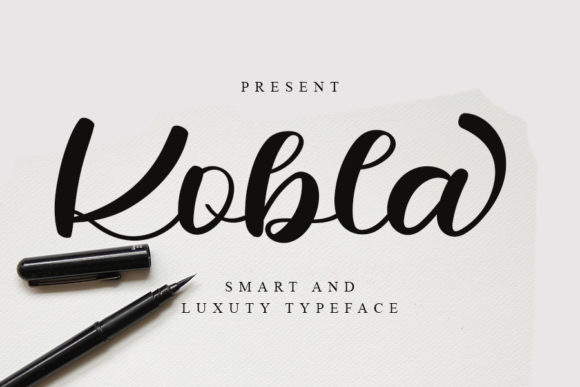
When integrating Kobla into a digital interface, designers often seek a typeface that bridges the gap between organic warmth and structural clarity. Kobla is a beautiful and cursive script font. It is PUA encoded, which means that you can access all of the glyphs swashes effortlessly Add this font to your library, and in no time, it will become your go-to asset for high-end brand experiences. For web designers and UI specialists, finding a script handwritten typeface that maintains legibility on screens while offering decorative flair is a constant challenge. Kobla addresses this by providing a fluid, human-centric aesthetic that enhances visual hierarchy without sacrificing readability. This article explores how this specific fonts category can elevate landing pages, e-commerce stores, and creative portfolios through strategic typography choices.
Kobla for Hero Sections and High-Impact Landing Pages
The hero section of any website is the first point of contact, and the choice of typography here dictates the user’s emotional response immediately. Using Kobla as a display font in hero headers allows designers to establish a tone of sophistication and personal touch right away. Because Kobla is a beautiful and cursive script font, it naturally draws the eye, making it ideal for short, punchy headlines rather than long paragraphs. When paired with a clean, neutral sans-serif font for body copy, Kobla creates a striking contrast that guides the visitor’s attention to the primary call-to-action (CTA). In digital product creation, this pairing ensures that the brand voice feels premium yet approachable. The flowing nature of the script adds movement to static layouts, breaking up the rigidity of grid-based designs and encouraging users to scroll further down the page.
Kobla for E-Commerce Banners and Product Branding
For online store owners and digital marketers, visual appeal directly correlates with conversion rates. Incorporating Kobla into promotional banners, sale announcements, or product name displays can significantly enhance perceived value. As a script handwritten style, it evokes the feeling of custom packaging or artisanal craftsmanship, which is particularly effective for boutique brands, beauty products, or lifestyle goods. The PUA encoding mentioned in the product description is a technical advantage here; it allows designers to utilize unique swashes and alternate characters to create bespoke logo treatments or decorative dividers within the storefront. These small typographic details signal attention to detail, fostering trust with potential customers. When used sparingly on light backgrounds or overlaid on high-quality imagery with proper contrast adjustments, Kobla remains readable while adding a layer of elegance that standard serif or sans-serif fonts cannot achieve.
Kobla for Creative Portfolios and Personal Branding
Creative entrepreneurs, freelancers, and agency founders often use their websites as a direct reflection of their design sensibilities. Deploying Kobla in portfolio headers or about sections demonstrates a command of modern typography and an appreciation for artistic nuance. Unlike rigid geometric fonts, a fonts selection like Kobla introduces personality and authenticity. It suggests that the creator values individuality and hand-crafted quality. For blog graphics or social media assets linked from the site, using Kobla for titles and pull quotes helps establish a consistent visual identity across platforms. The cursive flow mimics handwriting, creating a subconscious connection between the designer and the viewer. This is especially powerful for coaching websites, consulting firms, or photography studios where the human element is central to the service being offered.
Kobla for Digital Course Sales and Educational Content
In the realm of digital education, maintaining engagement over longer reading sessions is critical. While body text should remain simple, using Kobla for module titles, certificate templates, or course introduction banners can break the monotony of educational content. The elegant curves of the script font soften the academic tone, making the learning experience feel more inviting and less institutional. When designing email newsletters or lead magnet PDFs, incorporating Kobla as a decorative accent reinforces brand recognition. The ability to easily access swashes via PUA encoding means that educators can create visually distinct chapter headers or emphasis markers without needing external graphic design tools. This efficiency supports a streamlined workflow, allowing creators to focus on content strategy while ensuring their typography remains professional and polished.
Technical Considerations for Web Implementation
From a technical standpoint, integrating a script handwritten font requires careful consideration of file formats and loading performance. Kobla’s PUA encoding simplifies the development process by embedding special characters directly into the font file, reducing the need for complex CSS hacks or image replacements for decorative elements. However, designers must ensure that the font is optimized for web delivery, typically via WOFF2 formats, to minimize load times. Readability on mobile devices is paramount; therefore, Kobla should be scaled appropriately, avoiding sizes smaller than 18px for headings to prevent the intricate details from becoming blurry or illegible on high-density screens. Contrast ratios are also vital—using dark Kobla text on white or cream backgrounds ensures accessibility compliance, while light versions may work well on dark-mode interfaces if sufficient luminance difference is maintained.
Strategic Font Pairing for Balanced Layouts
No single typeface can handle every role in a comprehensive web design system. Kobla excels as a complementary fonts element rather than a standalone solution for large blocks of text. The most effective web design strategies involve pairing Kobla with highly legible sans-serif fonts like Helvetica, Roboto, or Open Sans for navigation menus, buttons, and body copy. This combination leverages the decorative strength of Kobla while relying on the functional clarity of the secondary font. For editorial-style websites or luxury brand sites, pairing Kobla with a classic serif font can create a timeless, magazine-like aesthetic. The key is rhythm and restraint; let Kobla shine in the headlines and logos, while letting the supporting typography do the heavy lifting for information density. This hierarchy not only improves user experience but also reinforces the brand’s professional standing.
Commercial Licensing and Brand Consistency
For agencies and enterprise clients, understanding the commercial licensing terms of any script handwritten font is essential. Kobla is designed for versatile use across client projects, including web design, app interfaces, and marketing materials. Ensuring that the license covers multi-user access and unlimited web domains protects both the designer and the end-client from legal complications. By building a library of high-quality, properly licensed assets like Kobla, digital product creators can maintain consistency across diverse campaigns. Whether it’s a seasonal sale banner or a permanent brand refresh, having immediate access to these glyphs allows for rapid iteration and cohesive storytelling. Ultimately, investing in premium typography is an investment in the credibility and aesthetic success of the digital product.