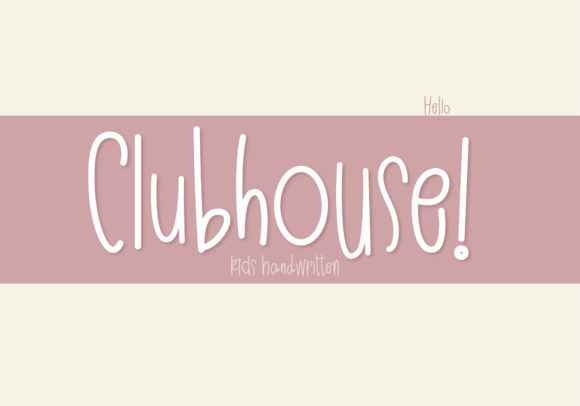
Clubhouse Typeface: A Playful Script Handwritten Font for Modern Branding
I opened a blank Figma file at 2 AM, staring at the empty white canvas that every designer knows too well. The client needed a visual identity for a new artisanal skincare line, but the brief was vague: "fresh," "unique," and "carefree." I had tried several rigid sans-serifs and overly ornate calligraphy scripts, but nothing felt right. Then I downloaded Clubhouse, a fresh, unique script with a carefree attitude and a playful edge. From the moment I dragged it onto the artboard, the entire mood of the project shifted. This wasn't just another typeface; it was the voice the brand had been missing.
As a graphic designer constantly hunting for fonts that balance professionalism with personality, I rarely get excited about a new download. But Clubhouse is different. It belongs to the Script Handwritten category, yet it avoids the stiff, formal feel of traditional cursive. Instead, it offers a relaxed, human touch that feels authentic in an era where consumers crave genuine connection. In this article, I’ll walk you through how I integrated this font into a real-world branding project, exploring its versatility across logos, invitations, wedding designs, social media posts, and much more.
Clubhouse for Logo Design and Visual Identity Systems
When selecting Fonts for a logo, legibility and scalability are paramount. Many script fonts fail here because their intricate details vanish when scaled down to a favicon or embossed on a small product label. However, Clubhouse strikes a remarkable balance. Its strokes are fluid but distinct, ensuring that the letterforms remain readable even at smaller sizes. During my initial mockups, I placed the wordmark on a minimalist cream background, and the font’s playful edge immediately communicated warmth and approachability.
The font’s PUA encoding adds a layer of technical reliability, allowing for smooth integration into design software without glyph mapping errors. For a boutique skincare brand, this meant I could confidently use Clubhouse as the primary logotype. It doesn’t scream for attention like a bold display font, nor does it whisper like a delicate italic. It speaks with a confident, casual tone. When paired with a clean, geometric sans-serif for secondary information like ingredients or volume, Clubhouse anchors the design while providing a memorable focal point. This combination creates a hierarchy that guides the eye naturally, reinforcing brand recognition without overwhelming the viewer.
Clubhouse for Wedding Invitations and Elegant Event Branding
One of the most surprising discoveries during my testing was how well Clubhouse performs in the realm of stationery. Typically, wedding fonts lean heavily towards formal copperplate or romantic brush scripts. Clubhouse offers a modern alternative that feels both elegant and inviting. I experimented with placing the font on textured paper mockups, simulating the tactile experience of a physical invitation suite.
The carefree attitude of the typeface works beautifully for contemporary weddings that prioritize comfort and joy over rigid tradition. It looks stunning on save-the-dates, RSVP cards, and menu layouts. Because it is a Script Handwritten style, it mimics the organic flow of hand-lettering, adding a personal touch that mass-produced templates often lack. I found that using Clubhouse for the couple’s names or event titles created an immediate sense of intimacy. Paired with simple serif fonts for body text, the design remained sophisticated without feeling stuffy. This versatility makes it an excellent choice for designers working on event branding who need a font that bridges the gap between formal elegance and modern relaxation.
Clubhouse for Social Media Posts and Digital Marketing Assets
In today’s digital landscape, grabbing attention within seconds is crucial. Scrolling through Instagram or Pinterest, users encounter thousands of images daily. To stand out, visual assets need to be instantly engaging. Clubhouse excels in this environment. Its playful edge cuts through the noise, offering a break from the sea of uniform Helvetica and Roboto texts that dominate social feeds.
I used Clubhouse to create a series of promotional graphics for a hypothetical lifestyle brand. The font’s unique character allowed me to treat text as image. By scaling up key phrases and applying subtle drop shadows or color fills, the typography itself became the main visual element. This is particularly effective for quotes, announcements, and limited-time offers. The font’s readability ensures that the message is consumed quickly, which is vital for mobile users. Furthermore, its adaptability means it works well across various formats, from square Instagram posts to wide banner ads. For content creators and marketers, having a creative font like Clubhouse in your asset library can significantly elevate the perceived quality of digital campaigns.
Clubhouse for Packaging Design and Product Labels
Packaging is where branding meets the customer physically. The font must withstand the scrutiny of close inspection while also appealing from a distance. I tested Clubhouse on various packaging mockups, including glass jars for candles and cardboard boxes for handmade goods. The font’s weight and structure held up remarkably well. It doesn’t require excessive kerning adjustments to look balanced, saving valuable time during the layout process.
For product labels, especially in the food, beverage, or beauty industries, authenticity is key. Consumers want to know there is a human behind the product. Clubhouse delivers this narrative effortlessly. Its handwritten aesthetic suggests craftsmanship and attention to detail. I noticed that when used on a simple kraft paper label, the font added a pop of sophistication that elevated the entire package. It transforms a generic container into a branded experience. Whether you are designing for a local coffee roaster or an online Etsy shop, Clubhouse provides the visual credibility needed to justify premium pricing. It signals that the brand cares about aesthetics and user experience.
Clubhouse for Editorial Design and Website Headers
Beyond print and packaging, Clubhouse has strong potential in digital editorial design. I explored using it for website headers and blog post titles. While it is not suitable for long-form body copy due to its decorative nature, it serves as a powerful accent font. Placing Clubhouse over high-quality photography creates a striking contrast that draws the reader in. It adds a layer of personality to web pages that might otherwise feel sterile.
In editorial contexts, such as magazine covers or newsletter headers, the font’s uniqueness helps establish a distinct voice. It suggests creativity and innovation. I paired it with a sturdy serif font for headlines to create a dynamic tension between the old and the new. This juxtaposition keeps the design interesting and visually stimulating. For web designers looking to add a touch of flair to their hero sections, Clubhouse offers a solution that is both stylish and functional. It proves that modern typography can be expressive without sacrificing usability.
Practical Tips for Integrating Clubhouse Into Your Projects
If you are considering adding Clubhouse to your toolkit, start by testing it in context. Don’t just view it in isolation; place it on your actual design elements. Check how it interacts with other typefaces. As a Script Handwritten font, it pairs best with neutral backgrounds and simple supporting fonts. Avoid competing scripts or overly complex patterns that might clash with its organic lines.
Pay attention to spacing. Even though the font is designed for cohesion, adjusting tracking slightly can enhance readability, especially in tight layouts. Also, leverage the PUA encoding features if your design software supports them, as this can unlock additional ligatures or stylistic alternates that enhance the design’s polish. Remember that Clubhouse is a commercial font intended for professional use, so ensure you have the appropriate licensing for your specific needs, whether for client work, merchandise, or digital products.
Ultimately, Clubhouse is more than just a typeface; it is a tool for storytelling. It allows designers to inject emotion and personality into their work with ease. Whether you are crafting a logo, designing an invitation, or creating social media graphics, this font provides the perfect blend of style and substance. It is a testament to the power of thoughtful design choices in building a cohesive and compelling brand identity.